Reducing Energy Usage
We aim to reduce energy consumption per guest night by 10% by 2030, using 2026 as the baseline, through energy-efficient technologies, responsible operations, and mindful guest participation.
- Monitor electricity consumption on a daily, monthly, and annual basis to identify areas for improvement and set appropriate targets.
- Implement energy management and energy-saving measures to optimize energy consumption and improve efficiency.
- Provide regular training for employees on energy efficiency and conservation,and encourage guests to participate in energy-saving efforts.
- Explore the use of solar-powered outdoor lighting by 2028, subject to feasibility and implementation capacity.
Reducing Water Usage
We aim to reduce water consumption per guest night by 10% by 2030 compared with the 2026 baseline, by improving water efficiency across our operations.
- Maintain water consumption from guest-room taps, showers, and toilets within sustainable water-use thresholds, ensuring efficient use of water while maintaining guest comfort.
- Our gardening team also follows responsible irrigation practices to minimise water loss through evaporation.
- Explore the installation of smart irrigation systems in selected areas to optimize garden watering, with the aim of completing this initiative by the end of 2026.
- Encourage guests to reuse bed linens and towels to help reduce water consumption.
Reducing, Reusing, and Recycling Wastes
We aim to reduce disposable waste per room night by 8% by 2030, using 2026 as the baseline, through improved waste separation, responsible purchasing, and reducing unnecessary single-use materials.
As part of this effort:
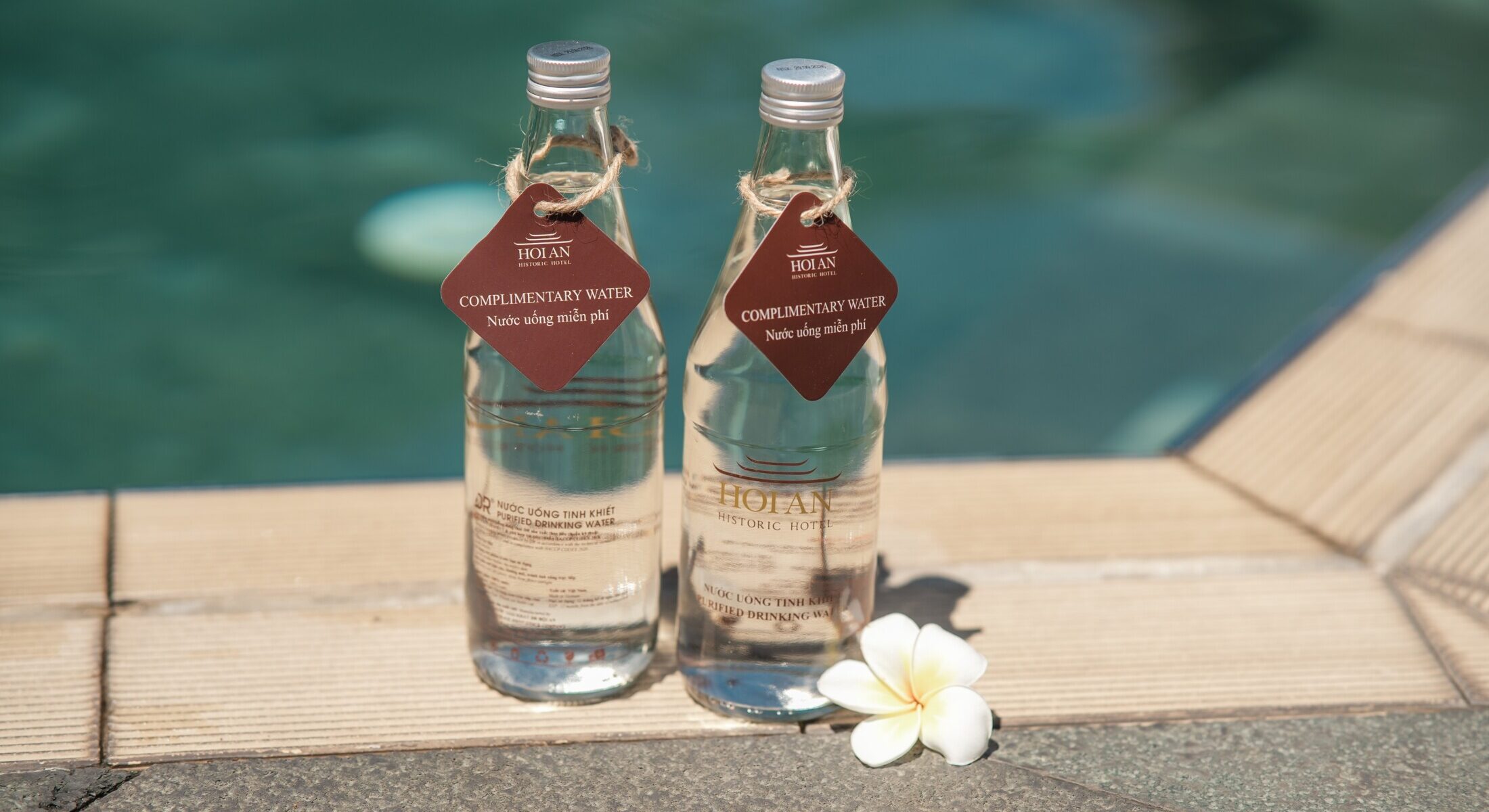
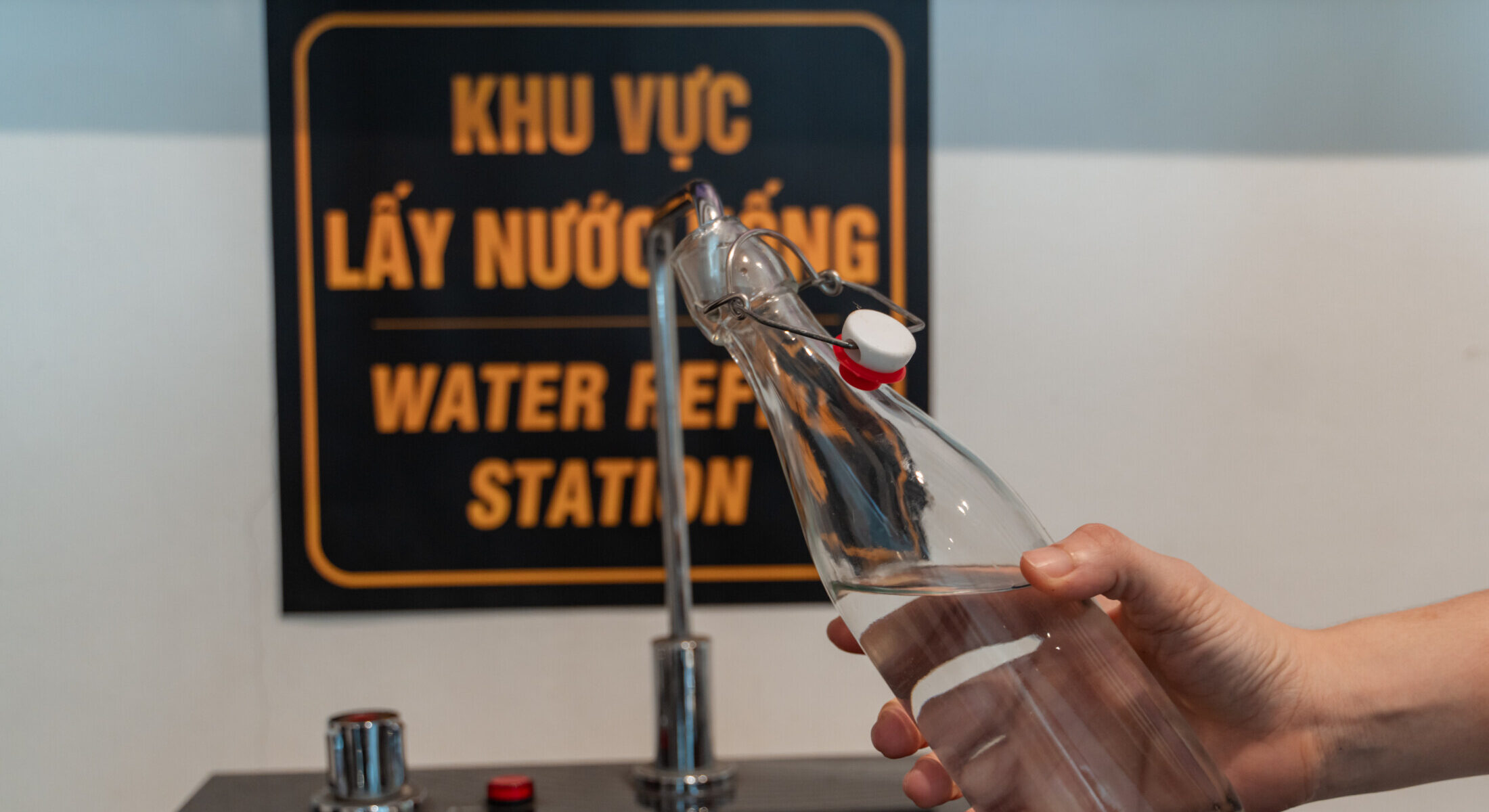
- We have replaced plastic water bottles with reusable glass bottles in guest rooms and restaurant areas.
- Our waste bags are made from compostable materials.
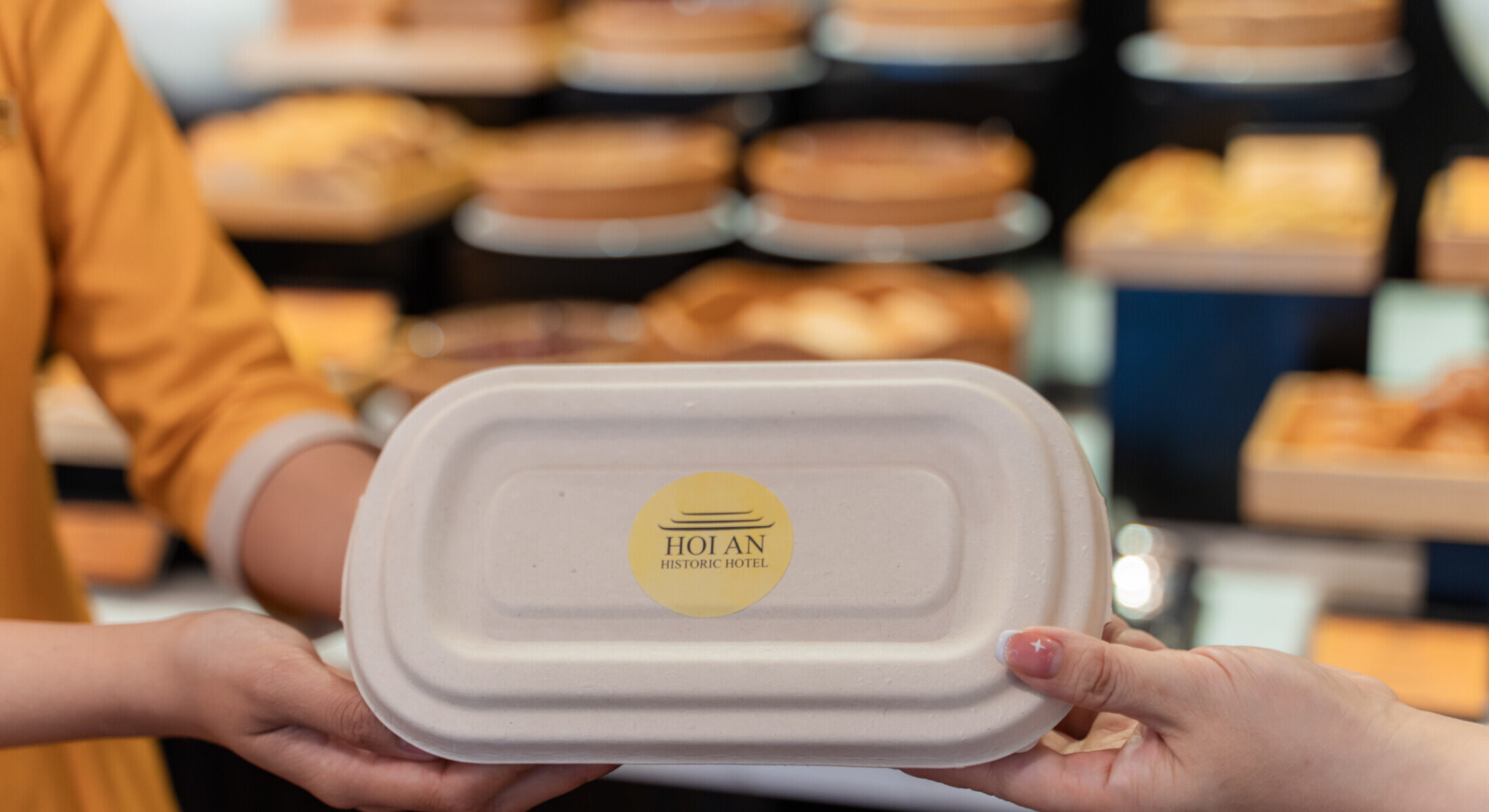
- Our restaurant takeaway packaging primarily uses paper-based materials.
We recognise that finding alternatives to single-use plastics remains a challenge. Some takeaway cups and containers still contain plastic lining to maintain food safety and quality. We continue to explore better solutions and adopt more environmentally responsible alternatives whenever suitable options become available.